
Eating for Women’s Hormone Balance
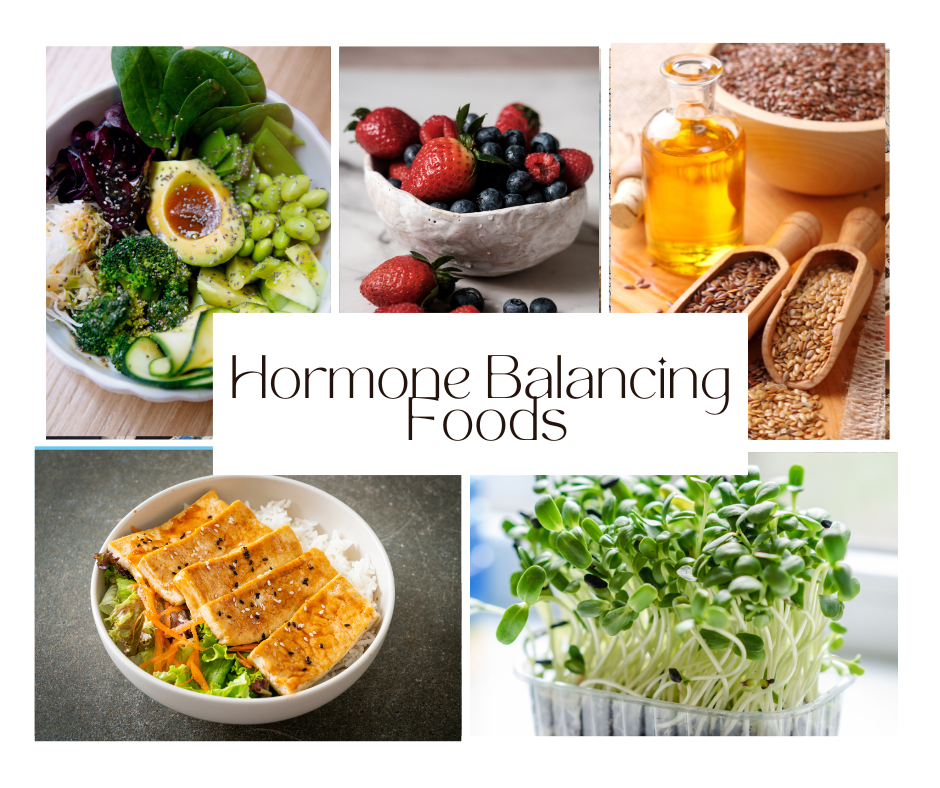
Nutrition and diet can greatly influence your hormones. One of the most important dietary recommendations for all women with hormonal imbalance may be to increase foods that have a balancing effect on estrogen, testosterone and progesterone.
Phytoestrogen Food Sources
Phytoestrogens are naturally occurring plant estrogens. Plants can produce chemicals that mimic estrogen, block estrogens, or reduce or detoxify estrogen.
Sprouted seedlings – contain the highest amount phytoestrogens. E.g. broccoli sprouts contain the highest level of estrogen-enhancing and estrogen-blocking compounds, particularly indole-3- carbinol and sulphoraphane.
Broccoli, Brussels sprouts, cauliflower, cabbage, and kale are also high in indoles and other chemicals that help detoxify excess estrogens such as calcium-d-glucarate, and keep your body’s own estrogen in their healthy form.
Flaxseeds, ground or milled, is nature’s highest source of lignans – these are phytoestrogenic -found in flaxseeds and cranberry can help block the action of estrogen and balance the estrogen-to- progesterone ratio.
Fermented soyfoods (tempeh, miso, natto) and sprouted soyfoods (sprouted tofu e.g. Wildwood brand) contain phytoestrogens, and these can fit into estrogen receptors, enhancing total estrogens in the body as well as prevent the bad estrogens from exerting their estrogenic effect.
Foods That Balance Estrogen
These foods are found to keep estrogen levels in the healthy range. These foods are also high in fibre to aid elimination of excess and/or bad estrogens. These foods have weak estrogenic action and will not promote breast cancer or worsen estrogen-dominant conditions. Eat these foods often:
- Broccoli sprouts, radish sprouts
- Apples
- Berries (blueberry, cranberry, bilberry, blackberry, raspberry, pomegranate)
- Borage or evening primrose oils
- Carrots
- Dried beans, lentils, chickpeas
- Pumpkin seeds and pumpkin protein powder
- Extra-virgin olive oil
- Grapefruit
- Mung beans
- Non-genetically modified, organic, fermented soy products (tempeh, miso, soysauce) and tofu
- Pears
- Pomegranate
- Rice bran
- Sesame seeds, flaxseeds
- Wheat germ, barley
- Whole grains and oats
Foods That Inhibit Harmful Estrogens
Harmful estrogens include natural hormones in the body and environmental compounds that mimic estrogens, which can cause health problems when levels are too high or imbalanced.
Excessive levels of natural estrogen are associated with certain cancers and symptoms like irregular periods and breast tissue growth. Environmental estrogens xeno-estrogens are external substances, such as those found in industrial pollutants and some plastics, that can disrupt the endocrine system, leading to reproductive issues in wildlife and potential health risks in humans
- Broccoli
- Brussels sprouts
- Buckwheat
- Cabbage
- Cauliflower
- Figs
- Flaxseeds (ground)
- Green beans
- Green tea, chamomile tea, passionflower tea
- Kale
- Kohlrabi
- Melons
- Squash
Note: If you have heard that cruciferous vegetables block the uptake of thyroid hormone, please note that you would have to eat several cups of broccoli, Brussels sprouts, cauliflower, cabbage, and /or kale every day for months to have them negatively affect your thyroid or inhibit thyroid hormone. These vegetables are super regulators of your hormone levels and should be eaten daily.
Food That Enhance The Action of Progesterone
Low progesterone levels after menopause can lead to symptoms such as mood swings, anxiety, depression, sleep disturbances, headaches, and vaginal dryness. It can also contribute to the development of health conditions like osteoporosis and heart disease. A combination of low progesterone and low estrogen is often responsible for symptoms like night sweats and hot flashes
Progesterone is decreased in those exposed to excessive estrogen. Consume these foods to protect your progesterone. They contain healthy fats, fiber, and minerals like zinc, magnesium, and Vitamin B6 can support progesterone production.
- gluten-free whole grains ( oats, rice, quinoa)
- nuts and seeds (walnuts, pumpkin seeds)
- cruciferous vegetables (broccoli, kale)
- leafy greens (spinach, Swiss chard)
- Cruciferous vegetables (broccoli, kale, Brussels sprouts, cabbage, cauliflower, bok choy, arugula)
- Legumes (beans, lentils)
- Avocado
- Fatty fish
- Citrus fruits
Estrogen And Testosterone Regulators
Flavonoids and indoles (found in cruciferous vegetables) are excellent regulators of estrogen and testosterone. Flavonoids are a group of plant chemicals that include flavones, isoflavones, catechins, among other and are found in high concentrations in fruits, vegetables, nuts and grains. There are many foods that contain indoles and flavones, but the best regulators are:
- Apigenin: passiflora (passionflower) and chamomile
- Chrysin: passiflora and to lesser extent bee propolis
- Galangin: bee propolis
- Indole-3-carbinol: cruciferous vegetables
These flavones work by blocking the aromatase enzyme, which is found in the liver and is responsible for the conversion of male hormones (androgens) testosterone into estrogen. Inhibiting aromatase enzyme ensures that less estrogen is produced by tissues, thereby maintaining healthy testosterone levels, which is important for women. Testosterone moderates your mood and boosts energy levels. It also increases libido, promotes strong muscles and bones, and helps you perform everyday bodily functions
Testosterone-Boosting Foods are High in Vitamin D and Zinc
- Zinc-Rich Foods: Oysters (rich source), red meat (beef, lamb, pork), poultry (dark meat), shellfish (crab, lobster), nuts/ seeds (pumpkin, hemp), legumes (beans, lentils), dairy products, and fortified cereals
- Vitamin-D Rich Foods: Fatty Fish (salmon, halibut, mackerel, herring, sardines), cod liver oil, canned tuna, eggs (especially the yolk), mushrooms, fortified foods (dairy, soymilk, orange juice)